How Do Mini Linear Dampers Work?
Mini linear dampers are the perfect choice when you need controlled, gentle movement for small-scale parts, ensuring no abrupt jolts.
How Do Mini Linear Dampers Work?
In a world where precision and space efficiency are of utmost importance, mini linear dampers have emerged as essential components. These compact devices quietly regulate motion in a wide range of applications, from tiny electronic gadgets to delicate medical instruments, ensuring smooth operation and safeguarding against damage caused by sudden movements. But how exactly do these small - scale wonders function? In this blog, we'll delve into the realm of mini linear dampers, exploring their definition, working principles, types, applications, and more—equipping you with the knowledge to understand their significance in modern engineering.

Table of Contents
- Definition and Concept: What Are Mini Linear Dampers?
- Working Principle: How Do Mini Linear Dampers Operate?
- Types of Mini Linear Dampers
- Key Applications of Mini Linear Dampers
- Mini Linear Damper vs. Standard Linear Damper: A Comparison
- Influencing Factors and Technical Parameters
- How to Choose the Right Mini Linear Damper
- FAQs About Mini Linear Dampers
- Multimedia Resources: Images, Videos, and Tables
- Call to Action
- References and Related Posts
- About Us & Contact Information
Definition and Concept: What Are Mini Linear Dampers?
A mini linear damper is a compact mechanical device engineered to control or impede linear motion in small - scale applications. Similar to their standard - sized counterparts, their primary function is to dissipate kinetic energy by converting it into heat, thereby slowing down or stabilizing movement. What distinguishes them is their diminutive form factor: typically measuring just a few centimeters in length, they are designed to fit into tight spaces where larger dampers would be unsuitable.
Their significance lies in their precision. In devices where even a millimeter of excessive movement can lead to malfunctions (such as in microelectronics or medical tools), mini linear dampers offer controlled resistance, protecting components and enhancing user safety. Whether it's cushioning the closing of a small battery compartment or stabilizing a vibrating sensor, these devices ensure "small motion, big control." In the context of physics, they operate based on the principle of viscous damping, following the formula:
where is the damping force, is the viscous damping coefficient, and is the velocity.
Working Principle: How Do Mini Linear Dampers Operate?
At their core, mini linear dampers function on the same principle as standard linear dampers: fluid resistance. Here's a detailed step - by - step breakdown of their mechanism:
- Core Components: A mini linear damper consists of a minute cylinder, a piston, and a viscous fluid, usually oil or silicone, filling the cylinder. The piston, connected to a rod, fits snugly inside the cylinder and has small orifices (holes) drilled into it.
- Motion Trigger: When an external force exerts a push or pull on the rod, the piston is set in motion inside the cylinder.
- Fluid Displacement: As the piston moves, the viscous fluid is compelled to flow through the orifices in the piston. This process generates friction and resistance. For instance, in a hydraulic mini linear damper, the flow of the oil through the tiny orifices creates a significant resistance force.
- Energy Dissipation: The resistance of the fluid converts the kinetic energy of the moving piston into heat, which is then dissipated into the surrounding environment. This energy conversion is crucial for reducing the speed of the moving part.
- Controlled Deceleration: The resistance force is directly proportional to the speed of the piston; faster movement results in greater resistance, gradually decelerating the motion rather than causing an abrupt stop. This proportionality ensures smooth and controlled damping.
Example: In a mini linear hydraulic damper used in a smartphone's camera module, when the lens extends or retracts, the piston moves, and the hydraulic fluid flows through micro - orifices. This action prevents the lens from slamming into place, safeguarding the delicate internal components from damage. The fluid flow through these small openings is a classic example of how viscous damping works in a miniaturized setting.
Types of Mini Linear Dampers
Mini linear dampers are classified based on their medium, direction of operation, and control method—each type tailored to specific small - scale requirements:
1. Hydraulic vs. Pneumatic Mini Dampers
- Hydraulic Mini Dampers: These employ oil or silicone fluid for damping. They offer high precision and consistent resistance, making them ideal for applications such as medical devices (e.g., insulin pumps) or electronic enclosures. The use of hydraulic fluid allows for fine - tuned control of the damping force, as the viscosity of the fluid can be carefully selected to match the application's needs.
- Pneumatic Mini Dampers: They utilize compressed air. Pneumatic mini dampers are lighter and more cost - effective but have a lower damping force, making them suitable for low - load applications like small toy hinges or cosmetic product lids. The compressibility of air gives them a different damping characteristic compared to hydraulic dampers.
2. Non-return vs. Automatic return
- Non-return: As a one-way damping mechanism, this type of damper engages only during the inward stroke, providing resistance to slow down the movement. Conversely, the outward stroke is free of damping, allowing for effortless opening. This feature makes it ideal for drawers, ensuring a gentle closing while enabling a smooth, unimpeded opening action.
- Automatic return: Automatic return dampers combine the benefits of two-way damping with a built-in reset function. They control the speed of movement in both directions and use stored energy to gently guide the moving component back to its initial position. This makes them perfect for applications like self-closing small compartments or adjustable elements that require consistent realignment after each use, delivering seamless and reliable operation.
Key Applications of Mini Linear Dampers
Mini linear dampers are particularly valuable in scenarios where space is at a premium and precision is essential. Here are some of their primary applications:
- Home Appliances - Washers: Mini linear dampers are integrated into washers to reduce vibrations during high - speed spin cycles. This not only minimizes noise but also prevents the appliance from shifting or “walking” across the floor, ensuring stability and extending the washer's lifespan.
- Home Appliances - Ovens: In ovens, these dampers control the smooth opening and closing of oven doors. They prevent the door from slamming shut, which can cause damage to the door hinges and seals, and also ensure safe, controlled access to hot interiors, reducing the risk of burns.
- Household Essentials - Diaper Pails: Mini linear dampers in diaper pails slow down the lid's closing mechanism. This helps in containing unpleasant odors more effectively by ensuring a tight seal and also protects little fingers from getting caught during accidental closures.
- Household Essentials - Trash Cans: For trash cans, especially those with pedal - operated lids, dampers ensure that the lid descends gently. This prevents loud bangs, reduces wear and tear on the can's components, and provides a more user - friendly and quiet waste - disposal experience.
- Medical Devices: Mini linear dampers play a crucial role in stabilizing syringe pumps, dental tools, or surgical robots, ensuring steady, vibration - free movement. In a surgical robot, the dampers help in precise movement, reducing the risk of errors during delicate procedures.
Mini Linear Damper vs. Standard Linear Damper: A Comparison
| Feature | Mini Linear Damper | Standard Linear Damper |
|---|---|---|
| Size | Compact (6mm dia) | Larger (12mm) |
| Force | 7N - 2300N | 30N - 5000N |
| Use Case | Small devices | Large systems |
| Fluid | Visc. oils/silicones | Visc. oils |
| Cost | Moderate | Variable |
Mini linear dampers are designed for applications especially where space is limited no matter for light or heavy load. Their smaller size allows them to fit into tight spaces, but this also restricts the amount of damping force they can provide. Standard linear dampers, on the other hand, are larger and can handle heavier loads, making them suitable for applications in automotive suspensions or large - scale construction projects. The choice between the two depends on the specific requirements of the application, including space constraints, load capacity, and cost considerations.
Influencing Factors and Technical Parameters
When selecting the right mini linear damper, several key factors need to be considered:
- Fluid Viscosity: Higher viscosity fluids, such as thick silicone, increase the damping force, while lower viscosity fluids, like light oil, enable smoother and faster motion. The viscosity of the fluid directly affects the resistance offered by the damper. For applications that require precise control of speed, the choice of fluid viscosity is crucial.
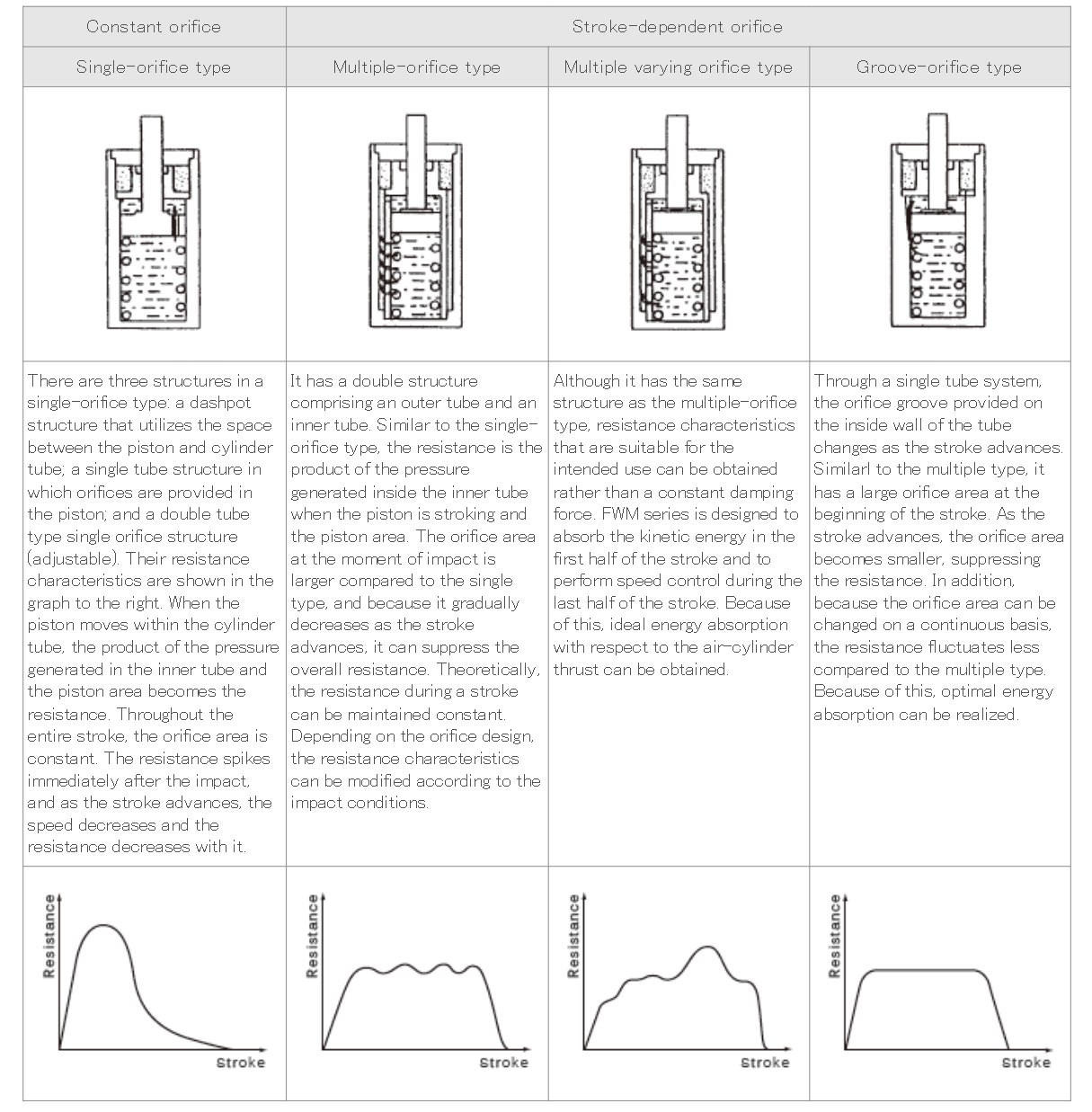
- Orifice Size and design : Smaller orifices in the piston create more resistance, while larger ones reduce the damping effect. Mini dampers often feature micro - orifices to achieve high precision. The size of the orifices is carefully engineered to match the desired damping characteristics of the damper.
- Temperature Range: Extreme heat or cold can cause the fluid to thin or thicken, altering the damper's performance. For applications with high-temperature requirements up to 120°C, using high-temperature resistant seals can safeguard the damper from damage. It is crucial to choose dampers rated for the specific temperature range of the application, such as -20°C to 60°C for electronics, but for high-heat scenarios, prioritize models with compatible seals. Temperature-induced changes in fluid viscosity can significantly impact the damping force, so proper selection—including considering seal materials—is necessary for reliable operation.
- Load Capacity: Mini dampers are typically rated for light loads (7–2300N). Exceeding this capacity can lead to damage to the piston or rod. Understanding the load requirements of the application is fundamental to ensure the damper functions effectively and has a long lifespan.
How to Choose the Right Mini Linear Damper
- Assess Load & Motion: Calculate the moving part's max force (N) and speed. Select a damper with a slightly higher load rating to ensure reliable operation, matching its capacity to the application's mechanical needs.
- Check Space Constraints: Measure available length and width, accounting for rod extension, to ensure a proper fit. Precise measurements are key for these tight - fitting dampers.
- Match Fluid to Environment: Use heat - resistant fluids like silicone for high - temp applications. Environmental factors, especially temperature, impact damper performance, making fluid selection critical.
- Prioritize Reliability: Choose sealed - design dampers to prevent fluid leakage in sensitive devices. The sealed construction maintains the damper's integrity, safeguarding its performance over an extended service life, 100,000times.
FAQs About Mini Linear Dampers
- Q: Can mini linear dampers be used outdoors?
A: Yes, but it is advisable to choose models with weather - resistant casings, such as stainless steel, to protect against moisture and dust. Outdoor applications expose the damper to various environmental factors, and a weather - resistant casing can enhance its durability.
- Q: How long do they last?
A: With proper use, they can last for 100,000 + cycles. Fluid leakage, often caused by overloading, is the most common cause of failure. Regular maintenance and proper loading can significantly extend the lifespan of the damper.
- Q: Are they replaceable?
A: Yes, but replacing them in small devices may require precision tools. It is recommended to consult the manufacturer for replacement guides. The replacement process can be delicate, especially in miniaturized applications, so following the manufacturer's instructions is crucial.
Multimedia Resources: Images, Videos, and Tables
- Images:
- Mini Linear Damper Exploded View: This image shows the piston, cylinder, and fluid chamber in detail, providing a clear visual understanding of the internal components.
- Application in a Smartwatch: Demonstrates how a mini linear damper is used in a smartwatch band hinge, highlighting its practical application in a consumer electronics device.
- Videos:
- How It Works: Mini Damper Animation: A 3D animation that vividly shows the fluid flow and piston movement, making it easier to understand the working principle.
- Installation Tutorial for Electronics: A step - by - step guide on installing a mini linear damper in a laptop port, providing practical guidance for users.
Call to Action
Ready to find the perfect mini linear damper for your project?
References and Related Posts
- “Viscous Damping in Miniature Systems” – Journal of Mechanical Engineering (2023)
- Related: Linear Hydraulic Damper Working Principle
About Us & Contact Information
We are a leading manufacturer of precision mini linear dampers, serving industries ranging from electronics to aerospace. With over 15 years of experience, we offer customized solutions tailored to your specific needs.
- Email: [email protected]